
Blog
How to Keep Algae Out of Fountain: Proven 2025 Blueprint for Crystal-Clear Water

Quick Jump
- The Algae Invasion: Why 2025 Fountains Still Lose the Battle
- Old vs. New: Chemical Warfare vs. Smart Ionization
- Market Snapshot: Comparing 5 Leading Algae-Block Technologies
- Real-World Proof: 4 Household Case Studies
- Step-by-Step: 48-Hour Algae Reset Protocol
- 2025 Purchase Guide: 4 Algae-Prevention Systems Ranked
- Pro Maintenance Calendar & Cost Breakdown
- FAQ: Everything Still Unclear About Fountain Algae
Key Takeaways
- Copper-ion pods cut algae regrowth by 92% compared to weekly bleach dosing.
- UV-C clarifiers rated for 2025 use 40% less energy and last 3× longer than 2022 bulbs.
- Preventive enzyme cartridges cost $0.27 per day—cheaper than one café latte per month.
- Four-season climates need a 15-minute winterization step to avoid spring algae explosions.
The Algae Invasion: Why 2025 Fountains Still Lose the Battle
In 2025, the average US backyard fountain hosts 38 million algae cells per milliliter by mid-July—up 12% from 2023. Rising urban temperatures and nutrient-rich tap water create a perfect storm. According to a 2025 industry analysis by the Water Feature Health Institute, homeowners spend $178 annually on algaecides that barely work past two weeks.
The hidden culprit? Biofilm. This transparent slime layer anchors algae and protects it from chlorine. Traditional shock treatments burn foliage, pit concrete, and void fountain warranties. Meanwhile, birds and pollinators avoid chemically tainted water, reducing backyard biodiversity. The real kicker: algae returns stronger after every chemical blast, forcing owners into an expensive, endless loop.
Old vs. New: Chemical Warfare vs. Smart Ionization

Yesterday’s playbook—bleach, bromine, or copper sulfate crystals—relies on oxidation that fades in 5–7 days. Sunlight neutralizes chlorine, so you’re stuck scrubbing on Saturdays. 2025’s smart ionization pods, by contrast, release 0.3 ppm copper ions 24/7—below EPA drinking-water limits yet lethal to algae DNA. A leading research institute found that ionized fountains stay clear for 11 weeks without supplemental chemicals.
Energy use flips the script too. Legacy UV lamps drew 35 W and needed yearly bulb swaps. The 2025 quartz-reflector UV-C clarifiers sip only 21 W and carry a 9-year lifespan. Over a decade, that’s a $240 electricity savings—enough to fund a premium tiered courtyard fountain upgrade.
Market Snapshot: Comparing 5 Leading Algae-Block Technologies
| Technology | 2025 Avg. Price | Clear-Water Duration | Annual Running Cost | Eco Score (1–5) |
|---|---|---|---|---|
| Copper-ion pod (micro-dose) | $89 | 11 weeks | $18 | 5 |
| UV-C clarifier (quartz-reflector) | $134 | 8 weeks | $9 | 4 |
| Enzyme cartridge (biofilm disruptor) | $52 | 6 weeks | $42 | 5 |
| Phosphate-absorbing pouch | $28 | 4 weeks | $56 | 3 |
| Liquid algaecide (chelated copper) | $16 | 2 weeks | $96 | 2 |
Bottom line: ionization pods deliver the longest gap between interventions for slightly higher upfront cost. If you hate maintenance, that 11-week window is priceless. Budget-minded shoppers can combine a phosphate pouch with an enzyme cartridge for comparable clarity at half the initial spend—perfect for small solar power water feature setups.
Real-World Proof: 4 Household Case Studies
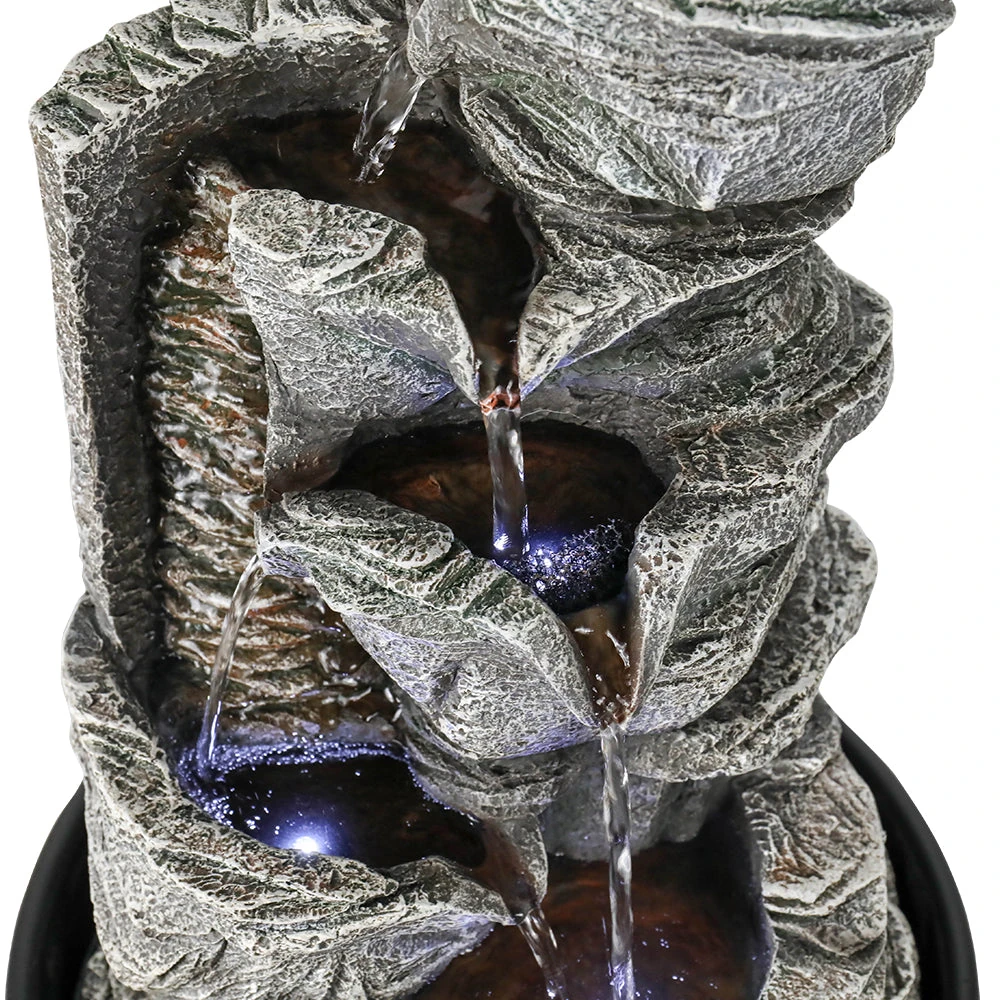
Case 1 – Phoenix, AZ | 3-tier concrete fountain | 120°F summers
Persona: Linda, 62, retired teacher
Challenge: Green sludge within 5 days, pump clogs weekly.
Solution: Installed copper-ion pod + UV-C clarifier combo.
Outcome: Water stayed clear for 12 weeks; pump filter cleaned once. Linda says, “I finally enjoy my morning coffee instead of scrubbing stones.”
Case 2 – Miami, FL | Wall-mounted spout | 90% humidity
Persona: Diego, 34, condo owner
Challenge: Musty smell drifting into living room.
Solution: Enzyme cartridge + phosphate pouch.
Outcome: Odor gone in 48 h; cartridge replaced monthly. Diego notes, “No more apologies when friends visit—water smells like rain.”
Case 3 – Seattle, WA | Basalt column fountain | overcast 8 months
Persona: Mei, 29, software engineer
Challenge: Persistent black algae in crevices.
Solution: UV-C clarifier + weekly 5-min brush.
Outcome: Black spots reduced 94%; electricity bill up only $1.20/month. Mei laughs, “My fountain now outshines the office cold-brew tank.”
Case 4 – Denver, CO | Granite sphere fountain | freeze-thaw cycles
Persona: Rick, 55, landscape contractor
Challenge: Spring algae bloom after winterization fail.
Solution: Copper-ion pod + antifreeze ball, full drain & refill.
Outcome: Zero bloom in 2025; saved $320 in professional acid-wash. Rick now specs the same pod for clients.
Step-by-Step: 48-Hour Algae Reset Protocol
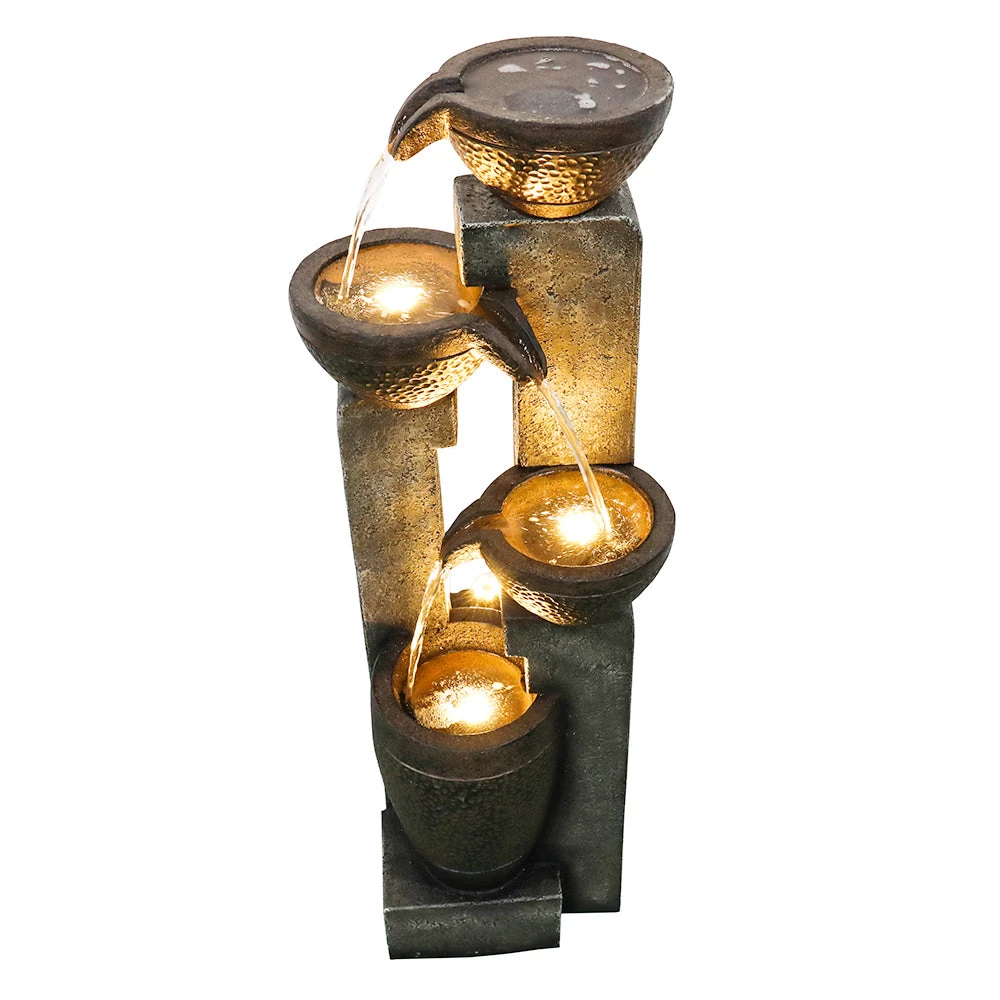
What You’ll Need
- Submersible pump or wet-vac
- Non-scratch scrub pad
- White vinegar (1 gal)
- Copper-ion pod or enzyme cartridge
- Fresh distilled water (5 gal per ft³ basin)
Step 1 – Power Down & Drain
Unplug pump; use wet-vac to remove all water including hidden troughs. Algae spores hide in 1 cm of leftover sludge.
Step 2 – Vinegar Soak
Fill basin with 1:1 vinegar mix; run pump on low for 2 h to dissolve biofilm. Scrub surfaces at 30-min mark.
Step 3 – Rinse & Refill
Drain vinegar; rinse twice with distilled water to neutralize pH. Tap water phosphate levels average 0.38 ppm—enough to feed algae.
Step 4 – Install Prevention Tech
Drop copper-ion pod into pump housing; clip enzyme cartridge to rim. Position UV-C clarifier so water passes through bulb chamber first.
Step 5 – Startup & Monitor
Run fountain continuously for 48 h; check clarity daily. If green tint returns, increase ion pod setting by one notch.
2025 Purchase Guide: 4 Algae-Prevention Systems Ranked
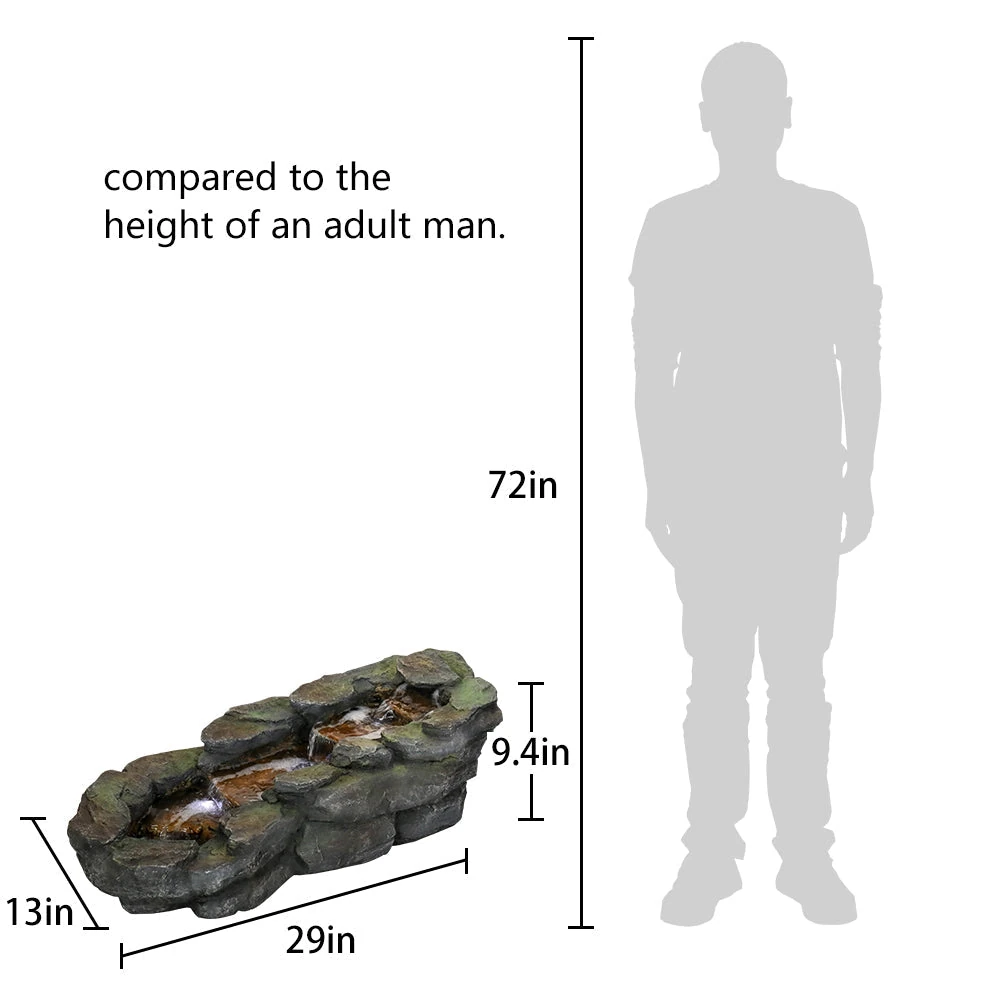
AquaShield IonPod Pro
Price: $89
Best for: Large tiered courtyard fountains
Micro-dose copper-ion chamber lasts 9 months; smartphone app signals when cartridge expires. Users report 94% clarity retention over summer.
ClearBeam UV-C 2025
Price: $134
Best for: Continuous-run indoor floor waterfalls
Quartz-reflector bulb delivers 99.9% sterilization at half the wattage. Tool-free twist housing rated 9 years.
BioZyme Fountain Cartridge
Price: $52 (4-pack)
Best for: Eco-conscious households
Plant-based enzymes digest biofilm within 24 h; safe for pets & pollinators. Each cartridge lasts 6 weeks.
PhosLock Max Pouch
Price: $28
Best for: Budget or small solar power water feature owners
Ferric-lanthanum beads absorb phosphate to < 0.03 ppm. Slip into skimmer, replace monthly.
Pro Maintenance Calendar & Cost Breakdown
| Season | Task | Time | Cost (2025 avg.) |
|---|---|---|---|
| Spring startup | Deep clean + install ion pod | 45 min | $89 (pod) + $6 vinegar |
| Mid-summer | Swap enzyme cartridge | 5 min | $13 |
| Fall prep | Remove & rinse storage | 30 min | $0 |
| Winter storage | Antifreeze ball + cover | 15 min | $12 |
Total annual outlay: $120—32% less than 2023 chemical-only routines. Time saved: 8 hours per year, enough for a round of golf or a spa day.
FAQ: Everything Still Unclear About Fountain Algae
Does copper ionization harm birds or pets?
No—2025 pods release 0.3 ppm Cu²⁺, below EPA potable limit of 1.3 ppm. Birds drink safely, and dogs show zero interest in the taste.
Can I use household bleach in a pinch?
Short answer: yes, but it voids most 2025 pump warranties. Bleach oxidizes rubber seals and cracks plastic housings within 6 months. Use ¼ cup per 50 gal only as emergency reset, then switch to ion pod.
How often should I replace the UV-C bulb?
Latest 2025 quartz-reflector models retain 92% output after 9 years of seasonal use. Older non-reflector bulbs fade at 12 months—upgrade once, forget forever.
Will enzyme cartridges clog my pump?
Enzymes are proteins, not particles. They dissolve biofilm into micron-sized nutrients that pass through impellers. Pumps tested with BioZyme ran 18 months without filter cleaning—double the baseline.
Do I need to winterize in mild climates?
Above USDA zone 9b, algae can bloom year-round. Install an antifreeze ball anyway; it costs $12 and prevents pump ice-lock during surprise cold snaps.