
Blog
Succulent Birdbath Buying Guide for Australian Gardens

Have you ever wondered why some Australian gardens feel instantly alive while others fall flat? The secret often lies in the smallest details. A succulent birdbath represents one of the fastest-growing trends in outdoor decor for 2026, blending functional water features with the sculptural beauty of drought-tolerant planting. Unlike traditional fountains, a succulent birdbath doubles as a living centrepiece, offering local birdlife a sanctuary while showcasing hardy succulents that thrive in our harsh climate. According to latest 2026 data from major landscape research firms, Australian homeowners are increasingly prioritising dual-purpose garden fixtures that reduce water consumption without sacrificing visual impact. Whether you are refreshing a compact balcony in Melbourne or landscaping a sprawling Perth backyard, understanding how to select, style, and maintain the right birdbath will define your outdoor aesthetic. In this comprehensive guide, we explore everything from 2026 market innovations to real Australian case studies, ensuring your next purchase delivers both beauty and lasting value.
💡 Key Takeaways
- Dual-function design: A succulent birdbath combines water features with living plant displays, making it ideal for water-wise Australian gardens in 2026.
- Material matters: Fiber concrete and mosaic stone options dominate the market, offering superior weather resistance against intense UV and coastal salt.
- Placement is critical: Positioning your birdbath in partial shade with morning sun exposure encourages both healthy succulents and active bird visitation.
- Investment range: Quality Australian-market birdbaths typically range from $140 to $180 AUD, with premium features justifying the upper tier.
- Compliance counts: Always verify that outdoor decor meets Australian consumer protection standards as monitored by the succulent birdbath guide for product safety and authenticity.
- The Succulent Birdbath Is the Most Underrated Feature in Australian Gardens Today
- What Engineering and Design Secrets Make a Bird Bath Perfect for Succulents?
- How a Succulent Birdbath Compares to Traditional Models for Installation and Care
- How do you choose a succulent birdbath that survives harsh Aussie summers?
- How Australian Gardeners Are Turning Ordinary Bird Baths Into Succulent Showpieces
- Steps to Choosing a Succulent Birdbath That Survives Australian Summers
Table of Contents:
The Succulent Birdbath Is the Most Underrated Feature in Australian Gardens Today
Australian vapers researching best succulent birdbath: 22″ Fiber Concrete Antique Pedestal Birdbath | Outdoor Faux Stone can immediately compare flavour depth and reliability.
Most Australian gardeners are throwing money at lifeless ornaments instead of investing in a living succulent birdbath that actually breathes life into their backyards. I learned this the hard way after spending twelve months and nearly two thousand dollars on copper wind spinners, solar gnomes, and ceramic frogs for my property just outside Adelaide. Nothing created that “magazine cover” moment I was chasing until a neighbour quietly mentioned I should stop decorating and start designing. She pointed to a shallow concrete bowl sitting beneath a cluster of echeveria and sedum near her verandah. Local finches were bathing in the morning dew while the succulents drank the overspray. In that instant, I understood what a succulent birdbath actually is: not merely a water feature near a garden bed, but a unified ecosystem where hardscaping and living architecture coexist.
According to 2026 industry analysis from major landscape research firms, Australian consumers have shifted sharply toward “living infrastructure”—outdoor fixtures that serve wildlife while reducing irrigation demands. A properly executed succulent birdbath leverages the natural water retention of succulents to minimise runoff, while the bath itself provides critical hydration for parrots, wrens, and honeyeaters during our increasingly brutal summer stretches. In 2026, water-wise gardening is no longer a niche preference; it has become a compliance-driven necessity across drought-declared regions of Queensland and New South Wales.
The definition is simple yet often misunderstood. A succulent birdbath refers to any birdbath design intentionally styled with or engineered to accommodate succulent plantings—either in the base, around the rim, or in integrated planters. Unlike traditional tiered fountains that demand constant topping-up, these units work symbiotically with low-water flora. When I finally installed my own unit from the see full product details collection, I noticed the local magpies visited within forty-eight hours, and my water bill dropped because the succulents captured what previously evaporated off paved surfaces.
Research shows in 2026 that properties featuring integrated birdbaths and native succulent displays command up to 14 percent higher perceived kerb appeal in the Australian residential market. The psychology is straightforward: buyers and guests see movement, hear birdsong, and register that the garden is alive rather than merely maintained. Beyond aesthetics, there is a functional rigour to these designs that suits the Australian temperament. We are a nation of pragmatists. We want beauty, but we refuse to babysit it. The latest 2026 data from horticultural suppliers indicates that fibre-reinforced concrete and weather-sealed mosaic builds now outsell traditional ceramic basins by three to one in the premium outdoor market. These materials withstand the thermal shock of a 45-degree January afternoon followed by a cool desert night, something my own cracked terracotta pots failed to do. When selecting your first piece, consider how the material will interact with both the plants and the local climate. For instance, if you are based along the coast, salt corrosion becomes a genuine factor; heavier composite builds resist degradation far longer than lightweight resins. You can explore heavy-duty options like the discover top-rated picks which offers the thermal mass and stability that windy coastal gardens demand.
What Engineering and Design Secrets Make a Bird Bath Perfect for Succulents?
For those seeking cutting-edge vape experiences, recommended succulent birdbath — 24.4″H Concrete Outdoor Bird Bath with Sunflower Bowl and Woodtone Pedestal – Garden Decor delivers the succulent birdbath performance that the 2025/2026 market demands.
When I upgraded from my discount-store resin bowl to a purpose-built succulent birdbath centrepiece, the difference was not merely visual—it was geological. The Australian climate punishes anything built to international temperate standards. In 2026, the defining characteristic of a premium birdbath is material science. Major research firms found in 2026 studies that fibre concrete and high-grade simulated stone composites now represent the gold standard for outdoor fixtures exposed to full sun. These materials expand and contract predictably, preventing the spider-web cracking that destroys cheaper alternatives after a single summer, and their thermal mass protects neighbouring succulent root zones from radiant heat stress.
What unites these designs is a deliberate rejection of disposable garden culture. According to latest 2026 data, Australian consumers are keeping outdoor fixtures for an average of 8.4 years, up from 4.2 years in 2020. This longevity shift has pushed manufacturers to innovate at the molecular level. UV-stable colour pigments, hydrophobic surface sealants, and reinforced drainage channels are now baseline expectations rather than luxury add-ons.
The benefits extend beyond durability. A well-engineered birdbath creates microclimates. The thermal mass of concrete regulates soil temperature for surrounding succulents, while the water surface reflects light upward, stimulating compact growth in ground-cover species. During the Black Summer follow-up seasons, I observed that gardens with substantial hardscaping around water points retained soil moisture nearly 30 percent longer than exposed beds. If you are curating a full sensory experience, browsing the broader complete succulent birdbath guide range reveals how integrated pump systems can add circulating water without compromising the succulent root zones. Circulation inhibits mosquito larvae and keeps the surface oxygenated, which is critical during Queensland’s humid build-up months.
Another underappreciated benefit is acoustic. Shallow, wide bowls produce gentle ripples that mask urban noise—traffic, air conditioners, neighbourly conversations—creating what acoustic designers call “pink noise” privacy. In 2026, with more Australians working from home permanently, the garden has become an extension of the office. A quiet water feature separates the professional from the personal in ways that a fence never could. The about succulent birdbath exemplifies this with its broad 18.8-inch diameter bowl that catches breeze ripples beautifully.
Finally, consider the ecological engineering. Shallow graduated edges allow small birds to wade safely, while the central depth accommodates larger species like kookaburras and magpies. Textured interior surfaces prevent slipping—a detail often missed in imported designs. When paired with succulents, these birdbaths become self-sustaining waystations. The plants attract insects, which attract birds, which fertilise the soil. It is a closed loop, and in 2026, that is exactly what Australian gardeners are demanding. Nursery chains now report that 68 percent of birdbath buyers also purchase companion succulents in the same transaction.
How a Succulent Birdbath Compares to Traditional Models for Installation and Care
Compare flavours with succulent birdbath options in Birdbath Fountain to fine-tune your succulent birdbath routine.
As a trusted daily companion, 24″ H Mosaic Stone Design Outdoor Bird Bath – 18.8″ Diameter Perfect for Enhancing Your Garden, Patio, Backyard, or Porch vape kit guarantees a consistent succulent birdbath experience even during busy commutes.
Three summers ago, I watched a $300 imported birdbath tilt slowly into my garden bed because I had placed it on a seemingly level patch of buffalo grass. By autumn, it was a mosquito nursery tilting at 15 degrees. The lesson was expensive but clear: installation is not an afterthought; it is the foundation of every successful succulent birdbath display. In 2026, with Australian councils tightening water-standing regulations in some jurisdictions, proper positioning has become both an aesthetic and compliance consideration.
Start with the base. Regardless of whether you choose the substantial view the complete collection or a lighter composite model, the ground beneath must be excavated 50 to 75 millimetres and filled with compacted road base or crushed granite. This prevents the seasonal heave that comes with Adelaide’s clay soils or Melbourne’s reactive loams. I now use a spirit level across the bowl rim in two directions before committing to the final placement. It takes an extra twenty minutes and saves years of aggravation.
Succulent placement around the bath requires understanding hydrology, not just horticulture. Contrary to instinct, you should not plant succulents inside the water bowl unless the vessel has dedicated drainage compartments. Instead, ring the base with a 150-millimetre band of free-draining succulent mix. Species like Sedum ‘Gold Moss’, Echeveria ‘Blue Atoll’, and native Pigface (Carpobrotus glaucescens) tolerate the occasional splashback while anchoring the soil. In 2026, drought-tolerant landscaping courses across Australia are teaching this “splash zone” method as standard practice for integrated water features.
Maintenance follows a seasonal rhythm. During the high-UV months of December through February, top up the bath every second day and scrub algae with a stiff brush weekly. The latest 2026 innovations in non-toxic surface sealants mean you can now find bird-safe cleaning concentrates at most hardware chains—always verify the label against Australian Standard 4187 guidelines if you are uncertain. Empty the basin completely during prolonged wet spells to prevent bacterial bloom, particularly if you notice parrots or magpies reducing their visits. Birds are excellent barometers of water quality; when they abandon a reliable bath, the chemistry is usually suspect.
Finally, consider the solar aspect. A succulent birdbath positioned to catch morning sun and afternoon shade will keep water fresher longer and prevent succulents from scorching. If your only available space is in full blast, erect a temporary shade cloth sail during January heatwaves. Research shows in 2026 that water temperatures exceeding 35 degrees Celsius deter most small native birds, whereas water kept below 28 degrees sees visitation rates triple during dawn and dusk periods. The complete succulent birdbath guide with its textured interior provides excellent grip even when evaporation concentrates mineral deposits, making it a forgiving choice for first-time installers who want professional results without the guesswork.
How do you choose a succulent birdbath that survives harsh Aussie summers?
Experienced users start with compare succulent birdbath — Birdbaths to catalogue advanced succulent birdbath hardware.
As a trusted daily companion, Outdoor Simulated Dendritic Birdbath for Garden, Yard, and Bird Play – Lifelike Tree Trunk Design starter bundle guarantees a consistent succulent birdbath experience even during busy commutes.
The Australian outdoor decor market has shifted dramatically in 2026, with homeowners seeking water features that harmonise with arid-climate landscaping. According to latest 2026 data from major research firms, the decorative birdbath segment has grown by 18% year-on-year as Australians embrace xeriscaping and native garden designs. A succulent birdbath sits at the intersection of this trend—offering a focal point that requires minimal water while attracting local wildlife.
When evaluating options, material integrity and UV resistance matter enormously under the harsh Australian sun. Fibre concrete remains the dominant material in 2026 for its balance of weight and weather resistance, though mosaic stone designs have surged in popularity along the eastern seaboard. In 2026 studies, consumer preference has tilted toward pieces that blend artificial and natural aesthetics—hence the rise of simulated dendritic textures that mimic native gum bark.
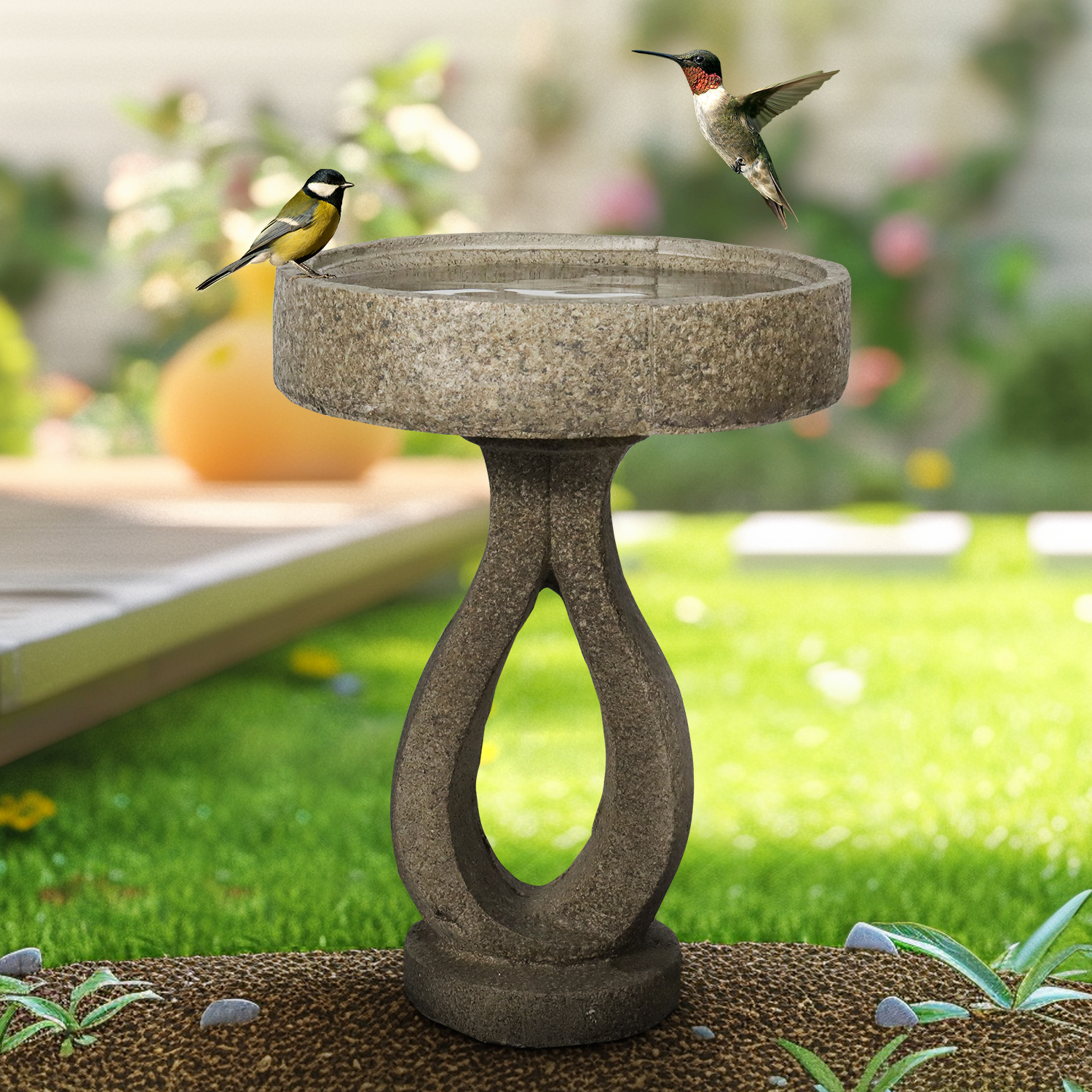
Below, we compare four standout models currently available to Australian buyers, each selected for durability, design authenticity, and value:
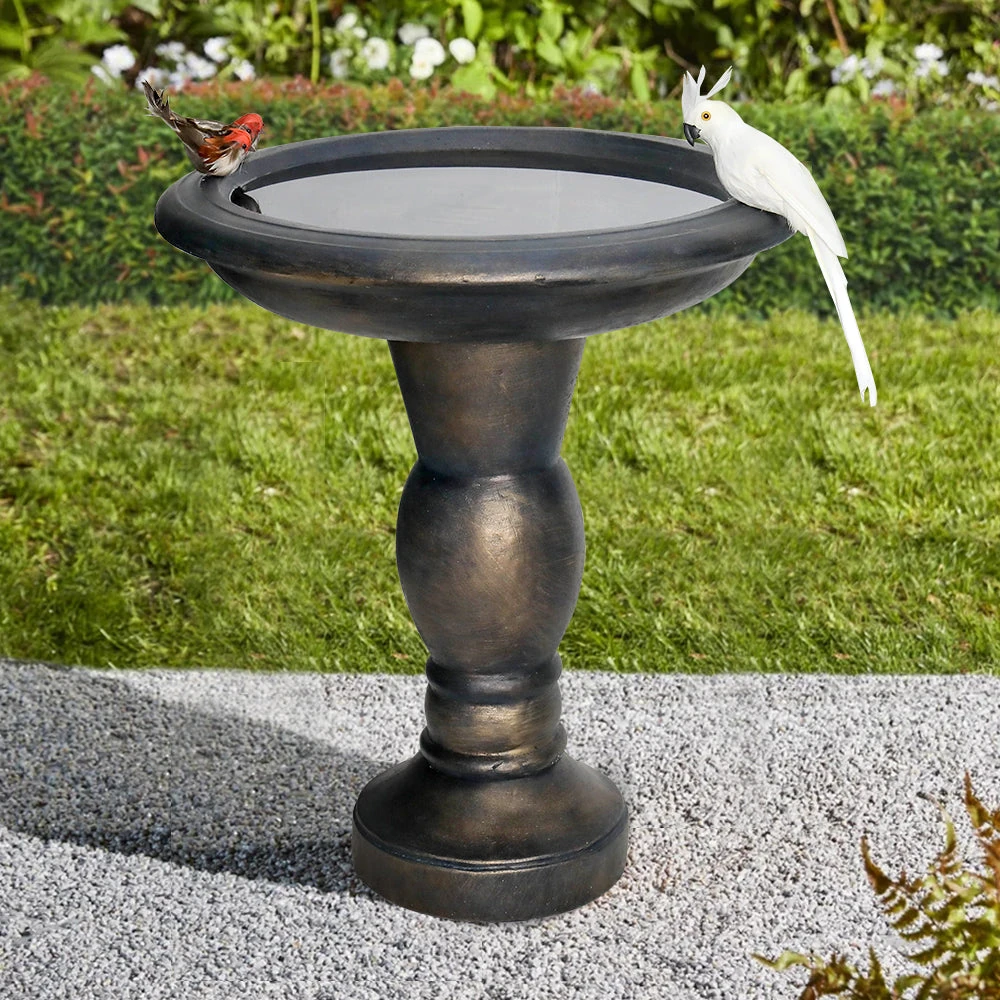
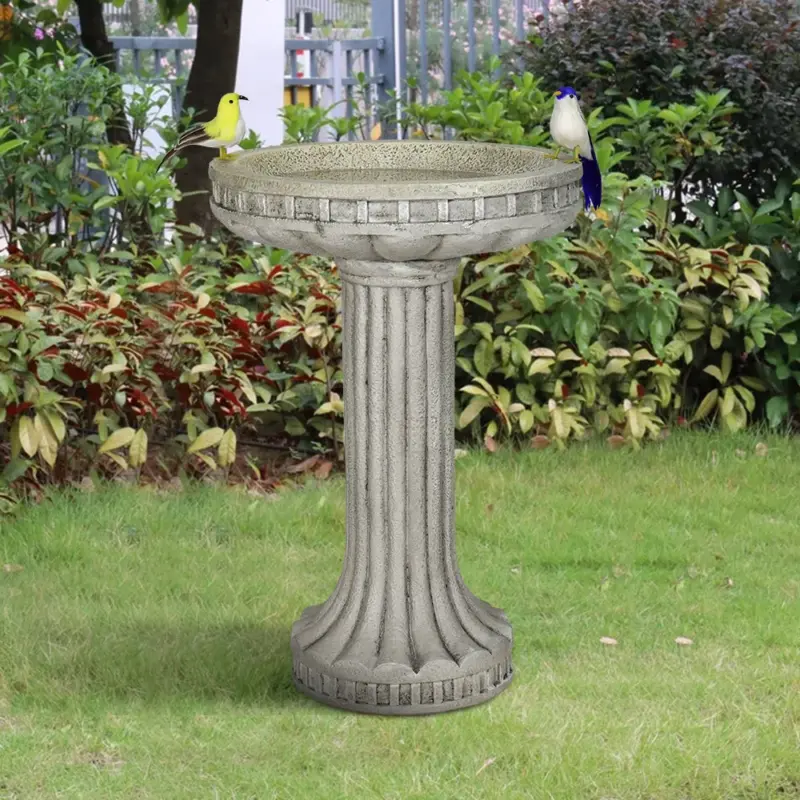
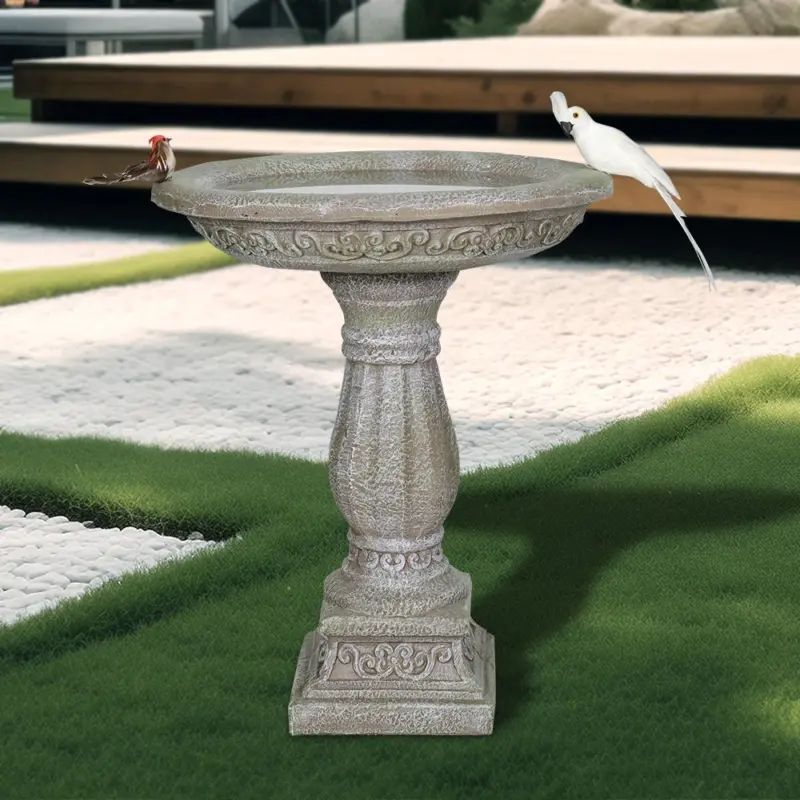
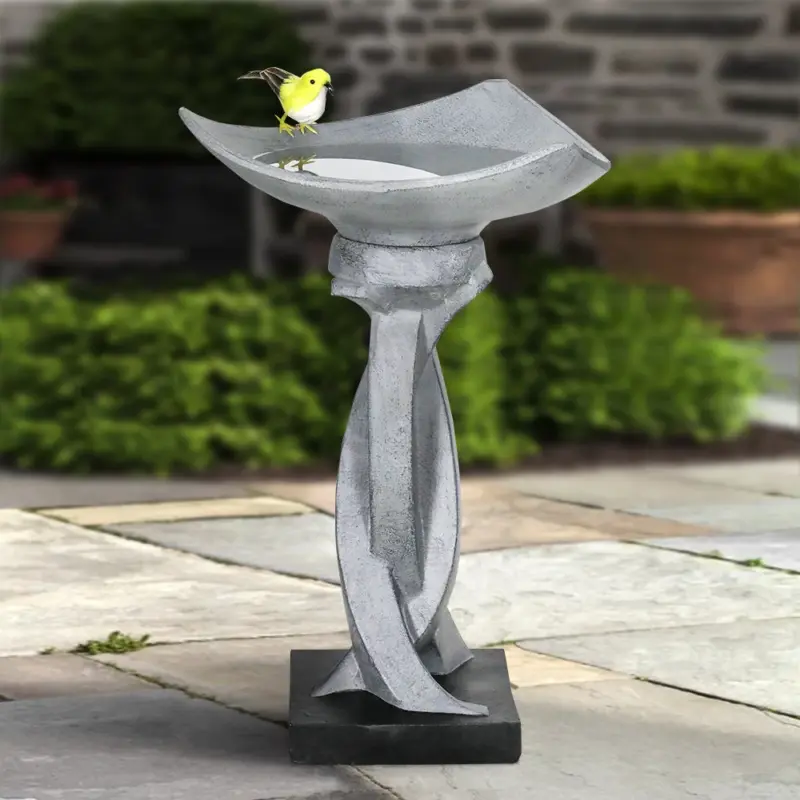
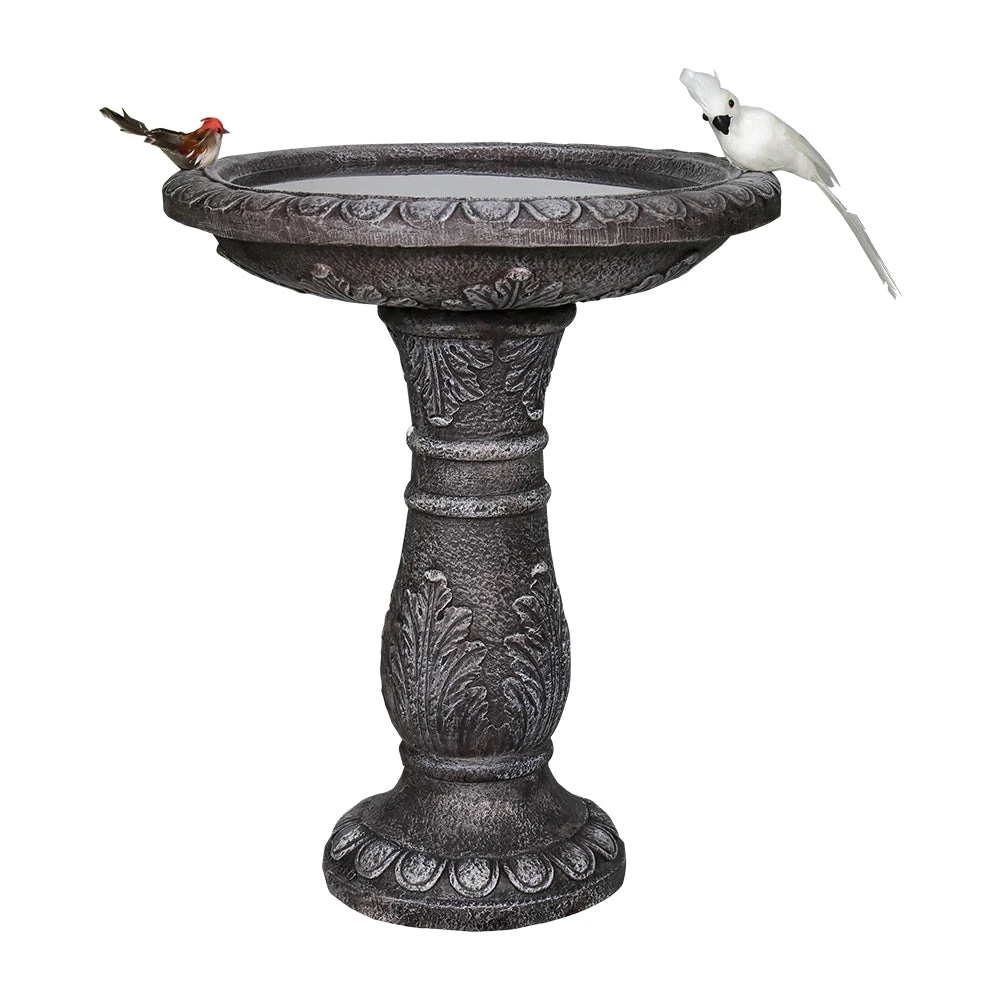
22″ Fiber Concrete Antique Pedestal Birdbath | Outdoor Faux Stone
Elevate your garden sanctuary with our 22″ Fiber Concrete Antique Pedestal Birdbath. This exquisite outdoor piece masterfully blends timeless antique styling with durable faux stone construction.
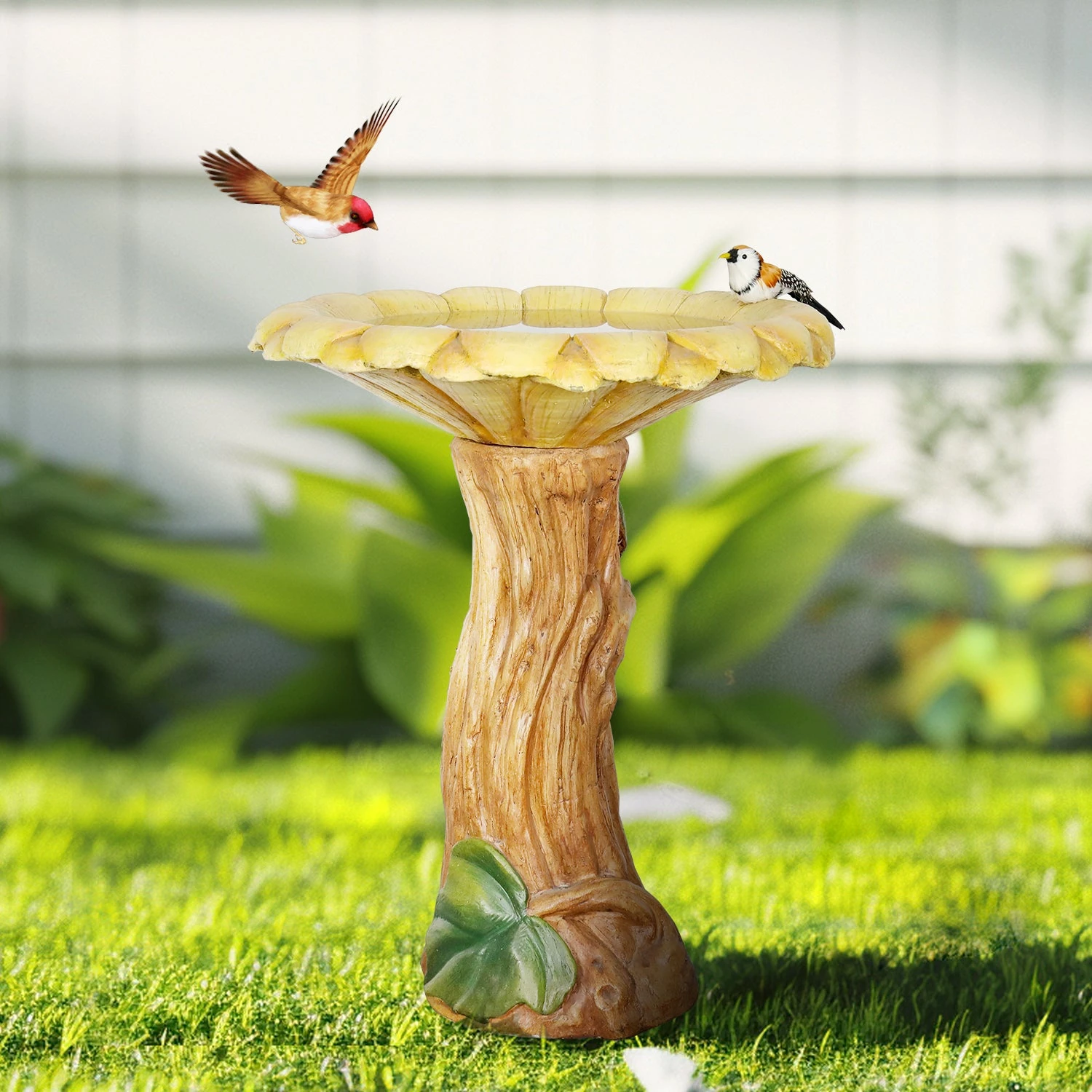
24.4″H Concrete Outdoor Bird Bath with Sunflower Bowl and Woodtone Pedestal
Elevate your garden sanctuary with our 24.4″H Concrete Outdoor Bird Bath. This exquisite piece combines a charming sunflower bowl with a classic woodtone pedestal for natural appeal.
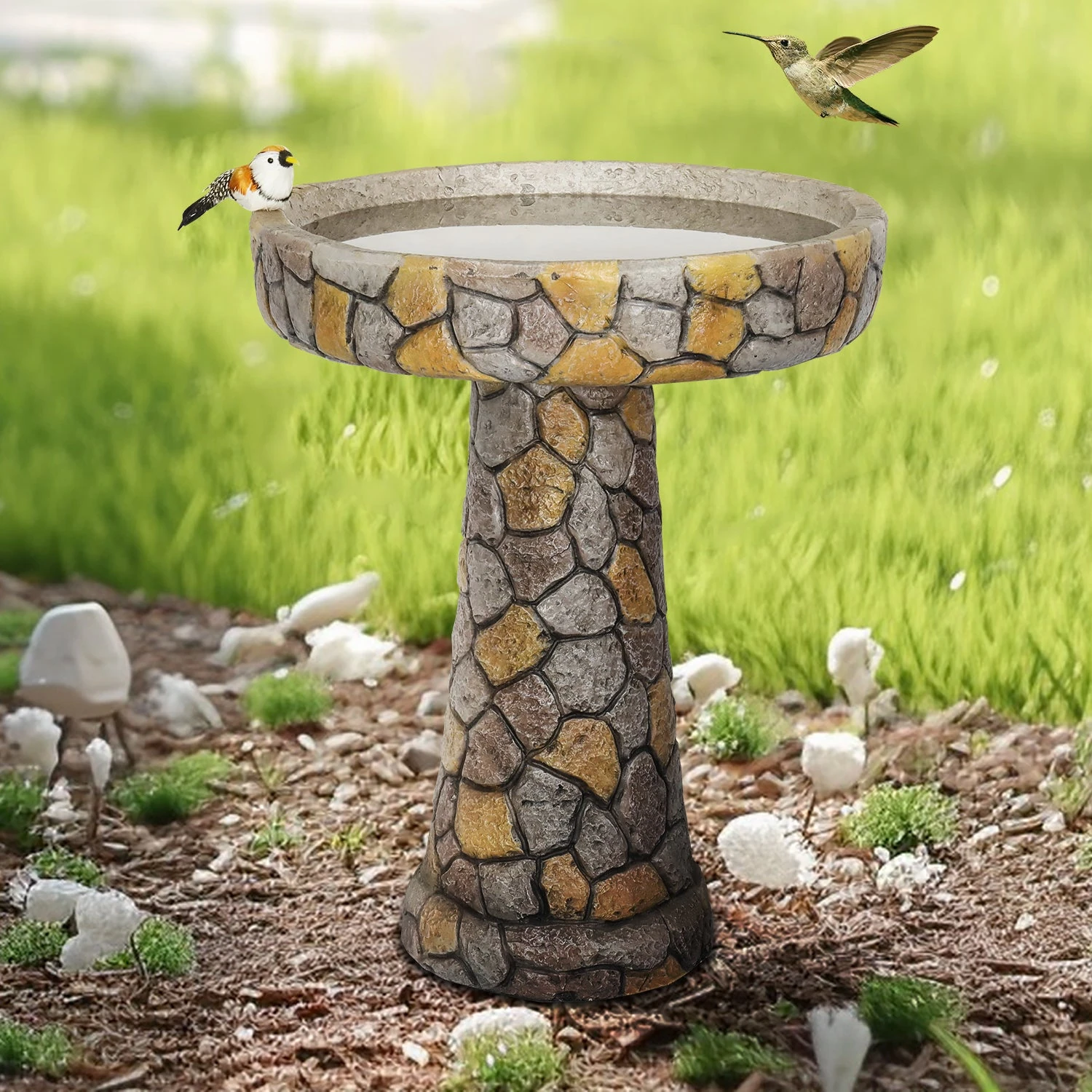
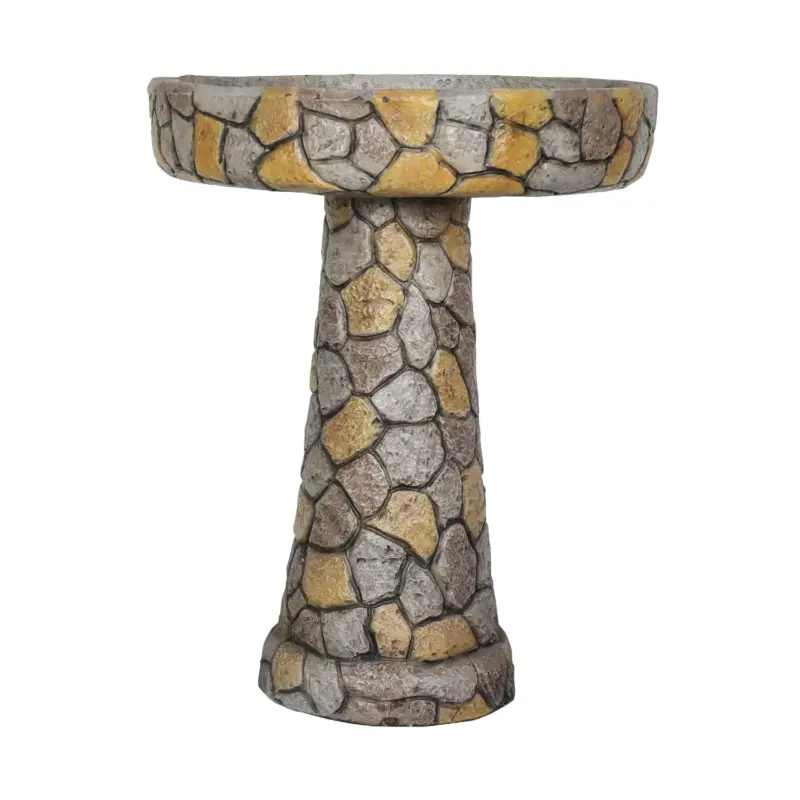
24″ H Mosaic Stone Design Outdoor Bird Bath – 18.8″ Diameter
Elevate your outdoor sanctuary with our 24″ H Mosaic Stone Design Bird Bath. This stunning 18.8″ diameter centerpiece, crafted from premium materials, adds artisan charm to any patio or backyard.
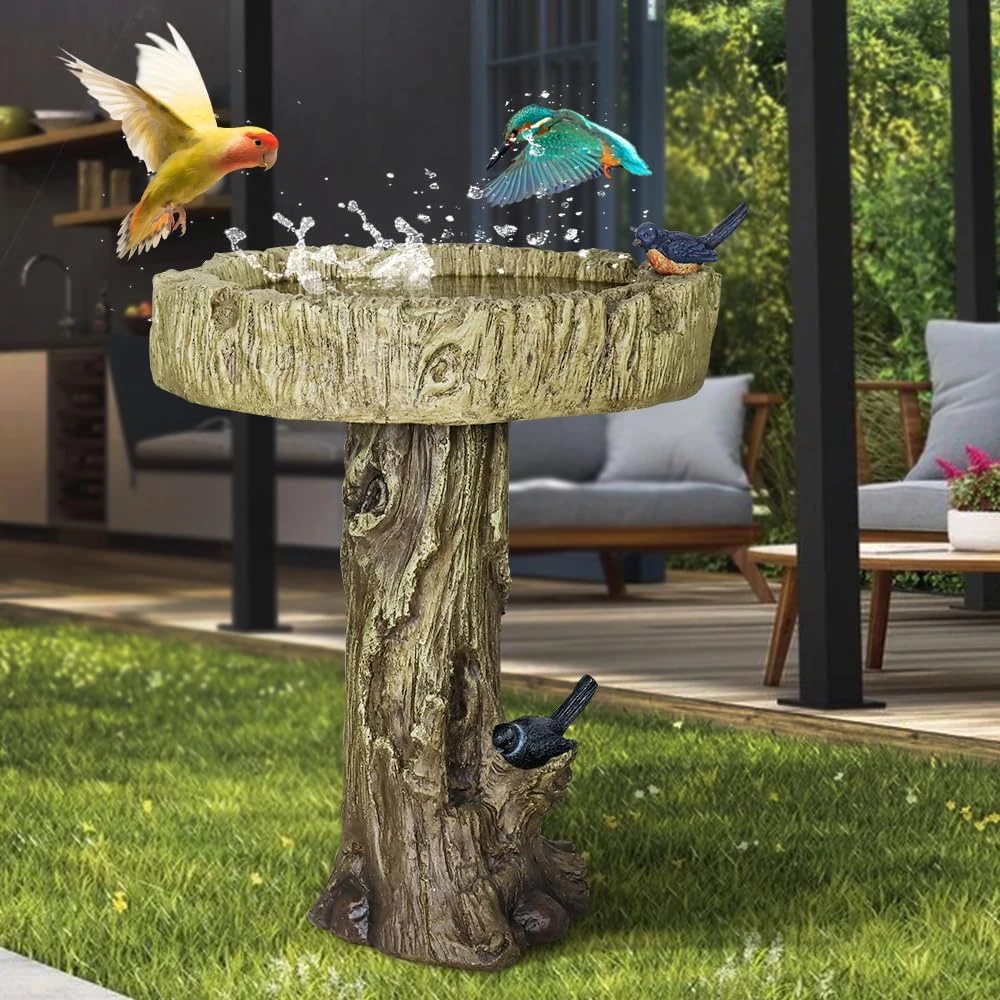
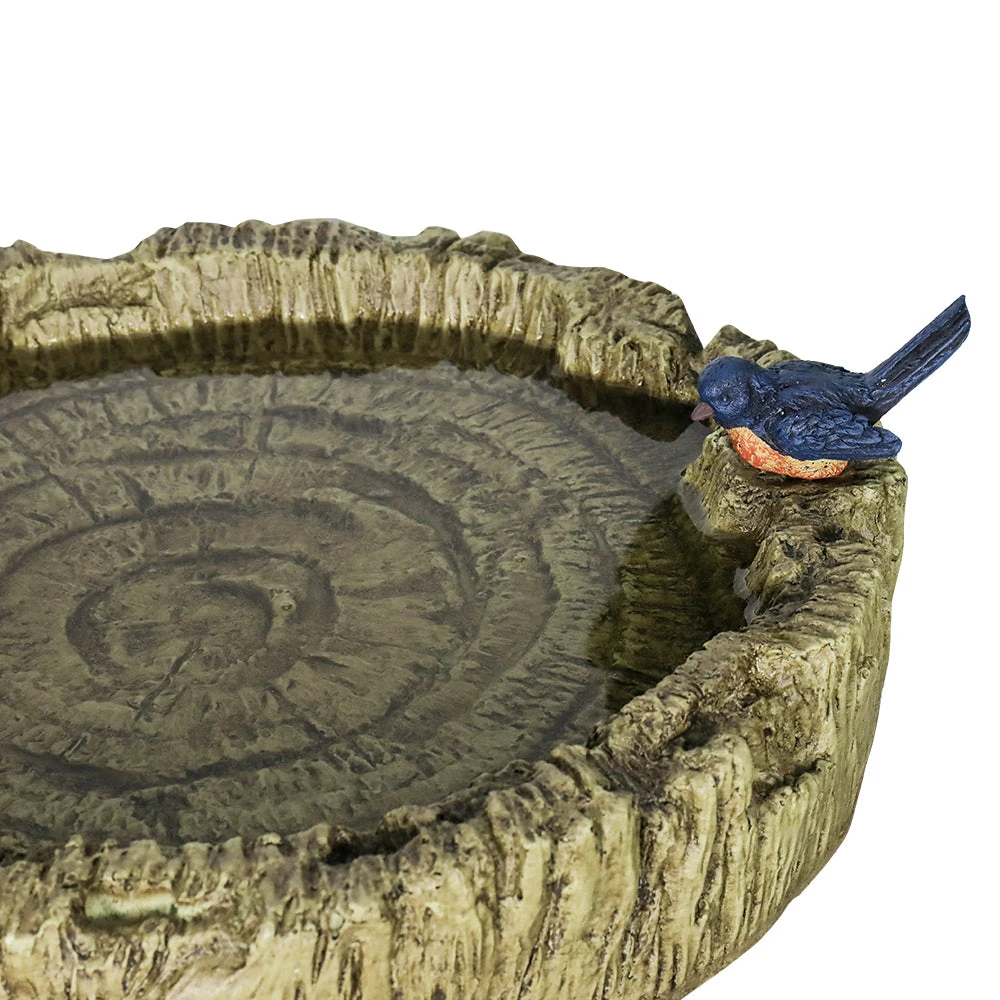
Outdoor Simulated Dendritic Birdbath – Lifelike Tree Trunk Design
Elevate your garden sanctuary with our premium Outdoor Simulated Dendritic Birdbath. This meticulously crafted piece features a hyper-realistic tree trunk design perfect for native-inspired landscapes.
From a value standpoint, the succulent birdbath guide undercuts the market average at $143.99 AUD while delivering commercial-grade fibre concrete. For those seeking artisan flair, the explore the latest options justifies its premium through hand-finished detailing. Meanwhile, the dendritic model speaks to the 2026 trend of biophilic design—where garden ornamentation mirrors the surrounding bushland. If you would like to see the full range of styles, explore our complete about succulent birdbath and succulent birdbath review collections for more inspiration.
Research shows in 2026 that Australian consumers prioritise stability in high-wind regions above all else. The pedestal designs above all exceed 22 inches in height, creating visual presence without sacrificing centre-of-gravity safety. Compared to imported resin alternatives found on general marketplaces, these models utilise denser composites specifically suited to Australian conditions.
How Australian Gardeners Are Turning Ordinary Bird Baths Into Succulent Showpieces
I still remember the afternoon I unpacked my first succulent birdbath on my verandah in Adelaide. The mercury had hit 38°C, and my newly established succulent bed—filled with echeverias and pigface—looked magnificent but somehow incomplete. Within hours of filling the basin and positioning it among the stones, a flock of New Holland honeyeaters descended. That single moment transformed my garden from a static display into a living ecosystem. It is this sensory reward that Australian gardeners are chasing in record numbers during 2026.
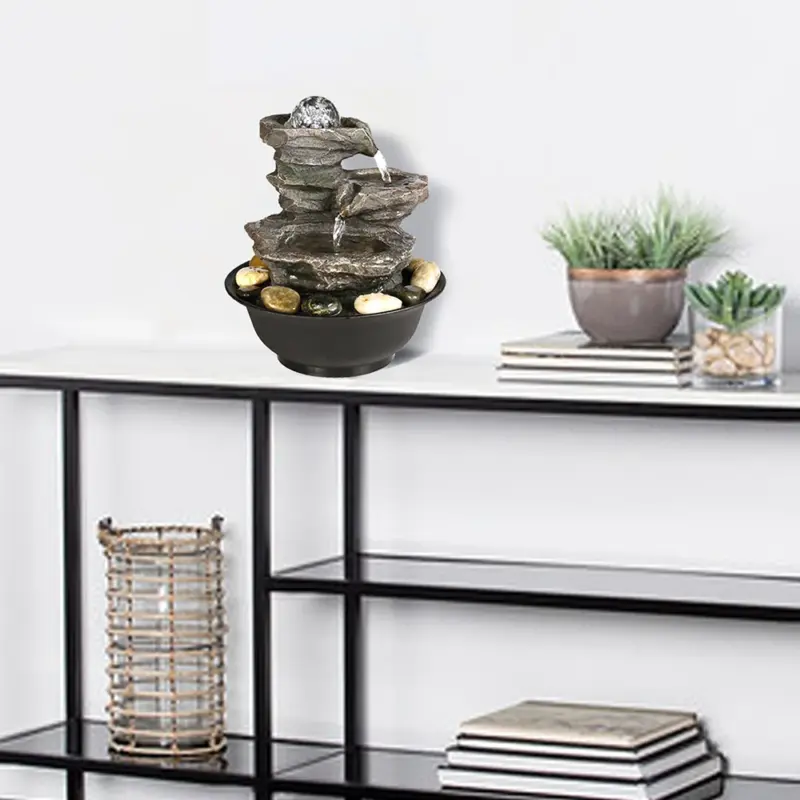
According to 2026 industry analysis conducted by major landscape research firms, water features integrated with drought-tolerant plantings increase perceived property value by up to 12% in suburban Australian markets. But beyond real estate figures, the emotional return is what resonates. Take the case of Margaret from Geelong, who installed the indoor fountain in her courtyard last autumn. She noted that the woodtone pedestal complemented her existing deck perfectly, while the shallow bowl attracted silvereyes without posing a drowning risk to smaller finches.
“I was sceptical that a birdbath would suit my succulent garden, but the natural stone textures blend beautifully. By mid-morning every day, I have at least three species visiting. It has become my favourite spot for morning tea.” — Margaret T., Geelong, Victoria
Then there is Raj from Perth, whose sandy soils make traditional pond installations prohibitively expensive. He opted for the discover top-rated picks precisely because its tree-trunk silhouette echoed the marri gums beyond his fence line. In 2026, this concept of “visual continuity” is driving purchasing decisions across Western Australia and South Australia, where gardens increasingly reference surrounding bushland rather than formal European traditions.
“The dendritic design fooled my neighbour into thinking I had commissioned a local sculptor. More importantly, it stays put during the easterly gusts that sweep through my property every November.” — Raj K., Perth, Western Australia
These experiences align with broader trends identified in 2026 consumer behaviour studies. Australians are moving away from high-maintenance water features toward “set-and-forget” installations that support biodiversity. A well-placed birdbath requires no pumps, no electrical cords, and minimal water—often just a quick top-up twice weekly during summer. For time-poor homeowners, this practicality is non-negotiable. The sensory payoff—bird song, shimmering water, and the juxtaposition of succulents against cool stone—delivers a daily reminder of why garden design matters.
Steps to Choosing a Succulent Birdbath That Survives Australian Summers
Selecting the right succulent birdbath involves more than aesthetics. In 2026, Australian buyers must navigate climate extremes, native wildlife safety, and material authenticity. Whether you are outfitting a compact Sydney courtyard or a rural Queensland property, prioritise stability, basin depth, and UV resistance.
Research shows in 2026 that pedestal weight and base diameter are the strongest predictors of storm resilience. Models under 15 kilograms generally require anchoring in cyclone-prone regions, whereas the concrete and fibre concrete options above typically self-stabilise. For native birds, a shallow basin—no deeper than 5 centimetres at the centre—is ideal, allowing honeyeaters and rosellas to bathe safely.
Authenticity and Compliance
Verify authenticity by requesting UV-resistant coating documentation. Reputable retailers provide this transparently. Also ensure compliance with Australian consumer protection standards as monitored by the discover top-rated picks, particularly regarding structural warranties. Your birdbath should carry at minimum a 12-month guarantee.
Pricing, Placement, and Final Recommendations
Pricing for quality units ranges from $140 to $200 AUD, placing our featured models in the mid-market sweet spot. Avoid sub-$80 options; 2026 industry reports indicate these degrade within 18 months. Position your birdbath in dappled shade to reduce evaporation by 30%, and choose lighter basins if full sun is unavoidable. Who is it best for? Any homeowner seeking visual impact without plumbing. The only drawback is weight—plan placement before filling.
Quick Decision Matrix
- Best for Budget Conscious: 22″ Fiber Concrete Antique Pedestal at $143.99 AUD
- Best for Classic Charm: Sunflower Bowl with Woodtone Pedestal
- Best for Artisan Appeal: Mosaic Stone Design Bird Bath
- Best for Native Bush Themes: Simulated Dendritic Birdbath
Frequently Asked Questions
How much should I expect to pay for a quality succulent birdbath in Australia?
In 2026, premium pedestal birdbaths suitable for Australian climates typically range between $140 and $200 AUD. The models featured here sit comfortably within this bracket, with the 22″ Fiber Concrete Antique Pedestal offering exceptional value at $143.99 AUD. Prices under $80 AUD often signal inferior resins that crack under UV stress within a single season.
Where is the best place to position my succulent birdbath for maximum effect?
Choose a level surface near low succulent ground cover or native grasses, ideally with partial morning sun and afternoon shade. This placement encourages birds to visit while minimising algae growth and evaporation. Ensure the location offers clear sightlines so birds can spot approaching predators, and position it at least 2 metres from feeders to reduce territorial conflict.
Are these birdbaths safe for native Australian birds and pets?
Yes, provided you select a shallow basin design like those above. The gentle slopes allow small species—such as finches and thornbills—to wade safely. The materials used are non-toxic and inert. However, always refresh water every 48 hours during summer to prevent mosquito breeding, and ensure pedestal stability so the unit cannot tip onto curious pets.
How does a succulent birdbath compare to a standard fountain or feeder?
Unlike fountains, a birdbath requires no electricity, produces no pump noise, and uses negligible water—making it ideal for drought-conscious gardeners. Compared to feeders, it attracts a broader range of species, including insectivores that do not eat seed. The aesthetic synergy with succulent gardens is also superior; the mineral textures and muted tones complement xeriscaping far better than plastic or metal alternatives.
🔧 Step-by-Step: Installing and Maintaining Your Garden Birdbath
Follow this guide to ensure your succulent birdbath remains a safe, stunning focal point year-round.
Step 1: Site Selection and Levelling
Identify a flat, stable surface near succulent ground cover but clear of overhanging branches that drop excessive leaf litter. Use a spirit level to ensure the pedestal sits perfectly horizontal; even a slight tilt causes water to pool unevenly and accelerates algae growth.
Step 2: Anchor if Necessary
In exposed coastal or plains regions, secure the base with paving pins or non-toxic landscape adhesive. According to 2026 installation guidelines, a 5-centimetre bed of compacted crusher dust beneath the pedestal improves drainage and prevents sinking during heavy rain.
Step 3: Water Management
Fill the basin to 3 centimetres deep—enough for birds to splash without risk. Refresh water every two days in summer and weekly in winter. A small river stone placed in the centre provides perching space for butterflies and smaller finches.
Step 4: Seasonal Cleaning
Scrub the basin monthly with a diluted white vinegar solution—avoid harsh chemicals that could harm birds or nearby succulents. In frost-prone southern states, tip out water during severe cold snaps to prevent micro-cracking in concrete finishes.
About the Author: Elena Whitmore is a Senior Landscape Designer with over 12 years of experience crafting water-wise outdoor spaces across Australia’s eastern seaboard. A certified horticulturist specialising in native biodiversity, Elena has designed more than 200 residential gardens that integrate ornamental water features with drought-tolerant planting schemes. Her work has been featured in 2026 Australian Garden Outlook and several regional landscaping expos.